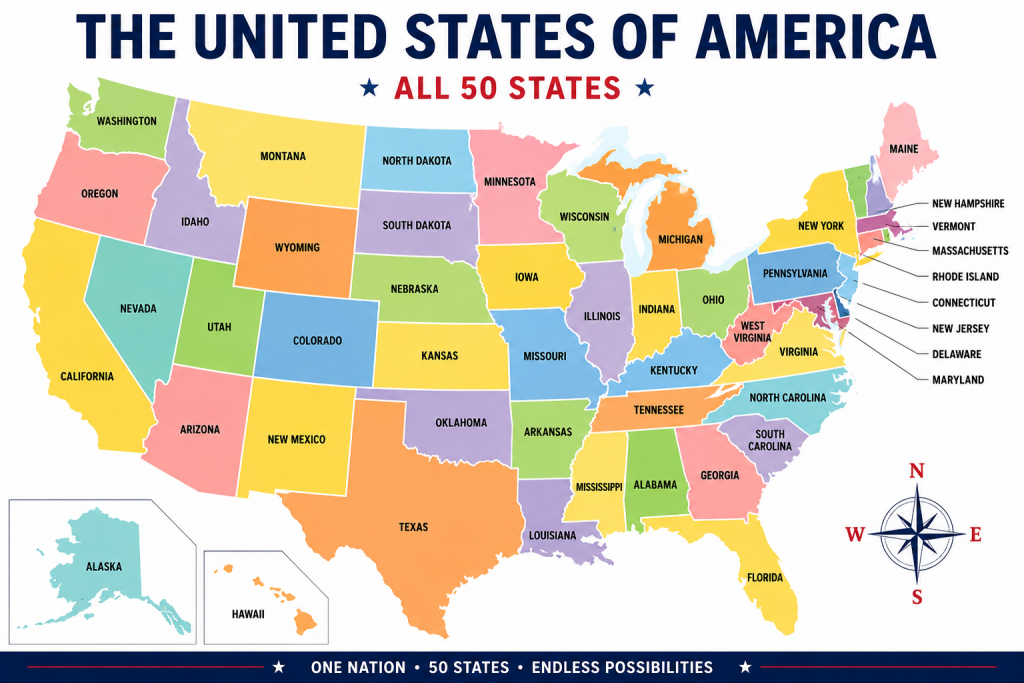
The Future of Lending Across the States: Where Personal Loan Markets Are Headed
The American lending industry is experiencing one of the largest transformations in its history. Advances in technology, federal regulatory initiatives, artificial intelligence, digital banking, and evolving consumer expectations are reshaping how people borrow money.
Over the next decade, personal lending is expected to become faster, more transparent, and more accessible. Consumers increasingly expect immediate decisions, digital applications, and personalized loan offers. At the same time, regulators are paying closer attention to consumer protections, data privacy, fair lending standards, and financial inclusion.
Across the States, financial institutions, technology companies, credit unions, and lending platforms are investing heavily in systems designed to modernize the borrowing experience while maintaining compliance with federal and state regulations.
This article explores where personal lending is headed, the changes occurring at the federal level, and what consumers can expect in the years ahead.
How Lending Has Changed Across the States
Historically, personal loans were largely obtained through local banks and credit unions. Borrowers often completed paper applications, waited days for decisions, and visited physical branch locations.
Today, consumers increasingly prefer digital solutions.
Several trends are driving this transformation:
- Mobile technology
- Artificial intelligence
- Online banking
- Real-time verification systems
- Digital identity tools
- Automated underwriting
As these technologies mature, borrowing becomes faster and more convenient.
Many experts believe the future lending experience will be almost entirely digital.
Regional Differences Among the States
Although technology is expanding nationally, lending markets still vary significantly among the States.
Factors influencing these differences include:
- State regulations
- Population growth
- Housing markets
- Economic development
- Consumer demographics
- Banking competition
Some states are embracing financial technology rapidly, while others continue to rely heavily on traditional lending institutions.
The Growth of the Personal Loan App
One of the most significant developments in consumer finance is the rise of the Personal Loan App.
Consumers increasingly manage their finances through mobile devices.
Modern lending apps allow borrowers to:
- Submit applications
- Upload documentation
- Track loan status
- Review offers
- Sign agreements electronically
- Manage payments
The convenience of a Personal Loan App has fundamentally changed how consumers interact with lenders.
Why Consumers Prefer a Personal Loan App
Several advantages contribute to the popularity of a Personal Loan App:
- 24/7 accessibility
- Faster decisions
- Simplified application processes
- Mobile convenience
- Reduced paperwork
As mobile technology improves, lenders are expected to continue investing heavily in app-based lending experiences.
Federal Changes Impacting Personal Lending
Federal regulators are increasingly focused on modernizing consumer finance while protecting borrowers.
Several key areas are receiving attention.
Consumer Protection
Federal agencies continue to emphasize:
- Transparency
- Disclosure requirements
- Fair lending practices
- Responsible underwriting
- Data security
These initiatives are designed to ensure consumers understand borrowing costs and repayment obligations.
Artificial Intelligence Oversight
As lenders adopt AI-driven systems, regulators are examining:
- Algorithm fairness
- Bias prevention
- Consumer protections
- Data usage practices
Federal agencies want to ensure technology improves lending access without creating unintended discrimination.
Open Banking Initiatives
Open banking may become increasingly important.
These systems allow consumers to securely share financial information with lenders, potentially improving:
- Loan approvals
- Risk assessments
- Financial inclusion
- Application speed
Many experts believe open banking will play a major role in the future of personal lending.
Why More Consumers Personal Loans Apply Online
Digital borrowing continues to grow rapidly.
Consumers increasingly Personal Loans Apply Online because it offers convenience and efficiency.
Benefits often include:
- Faster application completion
- Easier comparison shopping
- Reduced paperwork
- Digital document submission
- Faster communication
The ability to Personal Loans Apply Online is expected to remain one of the most important trends in consumer finance.
The Evolution of Online Applications
Future application systems may include:
- Instant income verification
- Real-time identity validation
- AI-powered customer support
- Personalized recommendations
- Automated fraud prevention
These innovations could significantly reduce approval times.
The Expanding Role of Peer to Peer Lending
Another major trend involves Peer to Peer Lending.
This lending model connects borrowers directly with investors through digital platforms.
Rather than relying exclusively on traditional financial institutions, borrowers may access funding from individuals or investment groups.
Advantages often include:
- Expanded funding sources
- Competitive rates
- Flexible lending structures
- Technology-driven experiences
The growth of Peer to Peer Lending reflects broader changes occurring throughout the financial sector.
Future Opportunities for Peer to Peer Lending
Experts believe Peer to Peer Lending may continue expanding as technology improves and investors seek alternative opportunities.
Potential growth areas include:
- Consumer lending
- Small business financing
- Debt consolidation
- Specialized lending markets
Regulatory oversight will likely remain important as these platforms evolve.
Data and Technology Will Shape Lending
The future of lending will increasingly depend on data.
Lenders are investing in systems capable of evaluating:
- Banking activity
- Payment histories
- Employment stability
- Income patterns
- Financial behavior
These tools may help lenders better understand risk while expanding access to qualified borrowers.
Faster Decisions
Future lending systems may provide:
- Near-instant approvals
- Automated document reviews
- Real-time communication
- Personalized loan offers
Consumers increasingly expect these capabilities.
The Debate Surrounding Personal Loans with no Credit Check
One of the most discussed topics in lending involves Personal Loans with no Credit Check.
Supporters argue that alternative underwriting methods may help consumers who have limited credit histories.
Critics emphasize the importance of responsible risk evaluation.
Federal regulators continue monitoring how lenders assess borrower qualifications and communicate loan terms.
Future Regulation of Personal Loans with no Credit Check
As technology evolves, regulators may focus on:
- Disclosure requirements
- Borrower protections
- Fair lending standards
- Data transparency
The goal is balancing innovation with consumer safety.
Economic Factors Influencing the Future
Several economic forces will shape lending over the next decade.
Inflation
Inflation affects:
- Consumer borrowing needs
- Interest rates
- Household budgets
Housing Costs
Rising housing expenses continue creating demand for flexible financing solutions.
Healthcare Expenses
Unexpected medical costs remain a significant source of financial stress.
Economic Uncertainty
Periods of uncertainty often increase demand for personal lending products.
These factors are likely to remain important drivers of borrowing activity.
Internal Resources
Helpful resources available on our website include:
- /about-us
- /contact-us
- /privacy-policy
- /terms-and-conditions
- /advertising-disclosure
- /personal-loan-calculator
- /debt-consolidation-loans
- /bad-credit-loans
External Resources
For additional information regarding consumer finance and federal regulation:
- Consumer Financial Protection Bureau
- Federal Trade Commission
- Federal Reserve
- Federal Deposit Insurance Corporation
- USA.gov Financial Resources
Additional Thoughts on the Personal Loan App
The future Personal Loan App will likely offer even greater convenience through automation, personalization, and enhanced security features.
Continued Growth as Consumers Personal Loans Apply Online
As technology improves, more consumers will likely continue to Personal Loans Apply Online, making digital lending one of the dominant channels in the industry.
The Future of Peer to Peer Lending
Many analysts expect Peer to Peer Lending to remain an important alternative financing model as investors and borrowers seek greater flexibility.
Outlook for Personal Loans with no Credit Check
Future discussions regarding Personal Loans with no Credit Check will likely focus on balancing access to credit with responsible lending standards and consumer protection.
Conclusion
The future of personal lending appears increasingly digital, data-driven, and consumer-focused. Advances in technology, evolving federal oversight, and changing consumer expectations are transforming how loans are offered and managed.
Across the nation, the States will continue adapting to these changes while balancing innovation, competition, and consumer protection. Whether through mobile applications, digital marketplaces, alternative lending models, or advanced underwriting systems, personal lending is entering a period of rapid evolution that could redefine borrowing for millions of Americans.
How the Internet Changed Personal Lending Across the States
The internet has transformed nearly every aspect of modern life, and personal lending is no exception. Just a few decades ago, obtaining a personal loan typically required visiting a local bank branch, completing paperwork by hand, meeting with a loan officer, and waiting days or even weeks for a decision.
Today, consumers can compare lenders, submit applications, upload documents, and receive funding without leaving home. The rise of digital lending has fundamentally changed how borrowing works across the States, creating greater convenience, increased competition, and broader access to financial products.
As technology continues to evolve, personal lending is becoming faster, more transparent, and increasingly tailored to individual consumer needs. The internet has not only changed how people borrow money but has also transformed how lenders evaluate applications, communicate with customers, and manage risk.
This article explores how the internet revolutionized personal lending in the United States and what these changes mean for consumers.
The Lending Process Before the Internet
Before widespread internet adoption, personal lending was largely a local experience.
Borrowers often needed to:
- Visit multiple financial institutions
- Schedule appointments
- Complete lengthy paper applications
- Provide physical copies of documents
- Wait for manual reviews
Information about loan products was often difficult to obtain. Consumers relied heavily on local banks, credit unions, newspaper advertisements, and word-of-mouth recommendations.
Comparing lending options required significant time and effort.
Lending Differences Among the States
Even before digital lending emerged, regulations varied across the States.
Different jurisdictions established their own rules regarding:
- Interest rates
- Licensing requirements
- Consumer protections
- Collection practices
- Lending disclosures
These differences continue to influence lending today, although the internet has made information much easier to access.
The Rise of the Personal Loan App
One of the most significant innovations in modern lending is the development of the Personal Loan App.
Mobile technology has placed financial services directly into consumers’ hands.
Modern applications allow borrowers to:
- Check eligibility
- Compare offers
- Submit applications
- Track approval status
- Manage payments
The convenience of a Personal Loan App has dramatically reduced barriers to accessing financial information and loan products.
Why Consumers Prefer a Personal Loan App
Several factors contribute to growing adoption:
- Convenience
- Speed
- Accessibility
- Mobile functionality
- Real-time updates
Consumers increasingly expect financial services to operate with the same ease as other digital platforms.
How Consumers Personal Loans Apply Online
The ability to Personal Loans Apply Online represents one of the most important changes brought about by the internet.
Instead of visiting physical branches, consumers can often complete applications within minutes.
Digital application systems provide:
- Immediate access
- Electronic signatures
- Secure document uploads
- Automated verification
- Faster communication
These efficiencies have reduced friction throughout the borrowing process.
Benefits When Consumers Personal Loans Apply Online
Borrowers often benefit from:
- Reduced paperwork
- Faster decisions
- Greater transparency
- Easier lender comparisons
- More convenient access
The ability to Personal Loans Apply Online has become one of the primary reasons consumers prefer digital lending platforms.
Increased Competition Through the Internet
The internet has dramatically expanded competition within the lending industry.
In the past, consumers generally selected from a limited number of local institutions.
Today, borrowers can compare:
- Banks
- Credit unions
- Online lenders
- Marketplace platforms
- Financial technology companies
Greater competition often encourages innovation and improved customer experiences.
Improved Consumer Information
Consumers now have access to:
- Educational articles
- Loan calculators
- Customer reviews
- Regulatory information
- Financial literacy resources
This information helps borrowers make more informed decisions.
The Growth of Peer to Peer Lending
The internet also made Peer to Peer Lending possible on a large scale.
Traditional lending involves financial institutions acting as intermediaries between savers and borrowers.
Digital platforms introduced a new model.
Through Peer to Peer Lending, investors may provide funding directly to borrowers through online marketplaces.
Benefits often include:
- Expanded funding sources
- Increased flexibility
- Competitive pricing
- Technology-driven processes
This innovation would have been difficult to implement before widespread internet adoption.
How Peer to Peer Lending Changed the Market
The emergence of Peer to Peer Lending encouraged lenders throughout the industry to improve their services.
Competition from digital platforms accelerated innovation and increased consumer choice.
As a result, many traditional institutions expanded their online offerings.
Data and Artificial Intelligence
The internet has also enabled the use of advanced analytics and artificial intelligence.
Modern lenders can evaluate information more efficiently than ever before.
Technology helps analyze:
- Income patterns
- Employment history
- Banking activity
- Payment behavior
- Fraud indicators
These tools help lenders process applications faster while managing risk.
Faster Decisions
Consumers increasingly expect:
- Instant responses
- Automated verification
- Digital communication
- Real-time updates
Technology continues to shorten approval timelines.
The Debate Around Personal Loans with no Credit Check
The internet has also increased visibility regarding alternative lending models.
One topic that receives significant attention involves Personal Loans with no Credit Check.
Supporters argue that alternative evaluation methods may expand access to credit for consumers with limited traditional credit histories.
Others emphasize the importance of responsible underwriting and consumer protection.
Federal and state regulators continue monitoring developments in this area.
The Future of Personal Loans with no Credit Check
As technology improves, lenders may continue exploring new methods of evaluating risk.
Discussions surrounding Personal Loans with no Credit Check often focus on balancing financial inclusion with responsible lending practices.
Regulators will likely continue evaluating how these products are marketed and administered.
Federal Changes Influencing Online Lending
The federal government continues to play an important role in shaping digital lending.
Several priorities have emerged:
Consumer Protection
Federal agencies emphasize:
- Transparency
- Fair lending
- Disclosure requirements
- Data privacy
- Security standards
Artificial Intelligence Oversight
As lenders adopt automated systems, regulators are examining:
- Bias prevention
- Fairness
- Accountability
- Consumer rights
Data Security
Protecting consumer information remains a major priority as lending becomes increasingly digital.
These initiatives help build trust in online financial services.
Benefits of Internet-Based Lending
The internet has created several advantages for borrowers.
Greater Access
Consumers can explore financing options regardless of location.
Faster Processing
Digital systems reduce delays associated with paper-based processes.
Increased Transparency
Borrowers can compare products more easily.
Better Financial Education
Online resources help consumers understand:
- Interest rates
- Loan terms
- Repayment obligations
- Credit management
These improvements contribute to more informed borrowing decisions.
Challenges Created by Online Lending
While internet-based lending offers many benefits, challenges remain.
Potential concerns include:
- Data privacy
- Cybersecurity threats
- Online fraud
- Identity theft
- Misleading advertising
Consumers should research lenders carefully and verify legitimacy before sharing personal information.
Responsible Borrowing
Borrowers should:
- Compare multiple lenders
- Review disclosures
- Understand repayment obligations
- Evaluate affordability
Responsible borrowing remains important regardless of how applications are submitted.
Internal Resources
Helpful pages on our website include:
- /about-us
- /contact-us
- /privacy-policy
- /terms-and-conditions
- /advertising-disclosure
- /personal-loan-calculator
- /debt-consolidation-loans
- /bad-credit-loans
External Resources
Additional information may be found through:
- Consumer Financial Protection Bureau
https://www.consumerfinance.gov - Federal Trade Commission
https://www.ftc.gov - Federal Reserve
https://www.federalreserve.gov - Federal Deposit Insurance Corporation
https://www.fdic.gov - USA.gov Financial Resources
https://www.usa.gov/money
The Future of the Personal Loan App
The next generation of the Personal Loan App will likely incorporate artificial intelligence, enhanced security, and personalized financial tools that improve borrower experiences.
Continued Growth as Consumers Personal Loans Apply Online
The trend toward digital applications shows no signs of slowing. More consumers will continue to Personal Loans Apply Online as convenience and technology improve.
Expansion of Peer to Peer Lending
Industry analysts expect Peer to Peer Lending to remain an important part of the lending landscape as investors and borrowers seek alternative financing opportunities.
Outlook for Personal Loans with no Credit Check
The future of Personal Loans with no Credit Check will likely depend on regulatory developments, technological innovation, and evolving consumer needs.
Conclusion
The internet has permanently changed personal lending throughout the United States. From mobile applications and online marketplaces to automated underwriting and digital document processing, technology has transformed nearly every stage of the borrowing process.
Across the States, consumers now enjoy greater access to information, expanded lender choices, faster approvals, and improved financial tools. While challenges remain, the internet has created a lending environment that is more competitive, transparent, and convenient than ever before.
As technology continues to evolve, personal lending will likely become even more personalized, efficient, and accessible for future generations of borrowers.
The Future of Personal Lending: How Borrowing May Change Over the Next Decade
Personal lending has undergone enormous transformation during the past twenty years. What was once a slow, paper-based process handled primarily through local financial institutions has evolved into a fast-moving, technology-driven industry. Consumers can now compare lenders, submit applications, review offers, and manage payments using digital tools that would have seemed impossible just a generation ago.
Yet many industry experts believe the most significant changes are still ahead.
Over the next decade, personal lending is expected to become more automated, more personalized, more data-driven, and more integrated into everyday financial life. Advances in artificial intelligence, open banking, digital identity verification, and financial technology could fundamentally reshape how consumers borrow money and how lenders evaluate risk.
At the same time, regulators will continue balancing innovation with consumer protection, creating a lending environment that attempts to combine convenience with accountability.
A Shift Toward Fully Digital Experiences
One of the clearest trends shaping the future of lending is the continued movement away from traditional branch-based interactions.
Consumers increasingly expect financial services to operate with the same convenience as online shopping, food delivery, and streaming services.
Future lending systems may allow consumers to:
- Receive decisions within seconds
- Verify identity automatically
- Link financial accounts securely
- Review personalized offers instantly
- Sign agreements electronically
- Receive funds rapidly
As younger generations become the largest borrowing demographic, demand for digital-first experiences is likely to accelerate.
The End of Traditional Paperwork
Physical documentation is gradually disappearing from many lending processes.
Future systems may rely on:
- Automated income verification
- Secure banking integrations
- Employment databases
- Digital identity systems
- Electronic records
This could significantly reduce application times while improving accuracy.
Artificial Intelligence Will Play a Larger Role
Artificial intelligence is already influencing lending decisions, but its role is expected to expand substantially.
Future systems may assist with:
- Fraud detection
- Risk assessment
- Customer service
- Loan recommendations
- Financial education
- Repayment planning
Artificial intelligence can analyze large amounts of information quickly, helping lenders make decisions more efficiently.
Personalized Borrowing Experiences
Future lending platforms may provide highly customized experiences.
Rather than offering identical products to all applicants, systems could generate recommendations based on:
- Income patterns
- Financial goals
- Spending habits
- Debt levels
- Savings behavior
This personalization may improve both borrower outcomes and lender performance.
Alternative Data May Become More Important
Historically, lending decisions relied heavily on traditional credit reports.
While credit history will likely remain important, future systems may consider additional information.
Potential data sources include:
- Utility payment history
- Rent payments
- Banking activity
- Subscription payments
- Employment consistency
Supporters argue that broader evaluation methods may help individuals with limited credit histories demonstrate financial responsibility.
Expanding Access to Credit
One goal of alternative data models is expanding access to qualified borrowers who may not fit traditional lending profiles.
This could benefit:
- Young adults
- New workforce participants
- Recent immigrants
- Self-employed individuals
- Consumers with limited credit histories
Regulators will likely continue monitoring these practices to ensure fairness and transparency.
Open Banking Could Transform Lending
Open banking refers to systems that allow consumers to securely share financial information with authorized institutions.
Many experts believe open banking could become one of the most influential developments in consumer finance.
Potential benefits include:
- Faster approvals
- More accurate risk assessments
- Improved financial inclusion
- Better product matching
- Reduced paperwork
Consumers maintain control over their data while lenders gain access to information that may improve decision-making.
Faster and More Accurate Evaluations
Rather than relying solely on historical credit information, lenders could evaluate current financial conditions in real time.
This may provide a more complete picture of a borrower’s financial situation.
Increased Federal Oversight
As technology advances, federal agencies are expected to increase oversight in several areas.
Consumer Protection
Regulators will likely continue focusing on:
- Disclosure requirements
- Lending transparency
- Fair treatment
- Responsible marketing
- Complaint resolution
Protecting consumers remains a central objective of federal financial policy.
Artificial Intelligence Regulation
As automated systems become more influential, policymakers may establish standards governing:
- Algorithm transparency
- Bias prevention
- Fair lending practices
- Accountability requirements
Balancing innovation with consumer rights will remain an ongoing challenge.
Data Privacy and Security
Data protection is expected to become increasingly important.
Consumers are sharing more financial information than ever before.
Future regulations may strengthen requirements related to:
- Data storage
- Cybersecurity
- Consumer consent
- Information sharing
- Breach notification
Trust will remain essential to successful digital lending platforms.
Embedded Finance Will Expand
Another major trend involves embedded finance.
This concept integrates financial services directly into non-financial platforms.
Examples may include:
- Online marketplaces
- Retail websites
- Travel platforms
- Service providers
Consumers could encounter financing options seamlessly integrated into activities they already perform online.
Convenience Becomes a Competitive Advantage
The future lending industry will likely compete heavily on convenience.
Consumers increasingly expect:
- Simplicity
- Speed
- Transparency
- Accessibility
Organizations that deliver efficient experiences may gain significant advantages.
The Future of Interest Rates and Risk Pricing
Technology may also influence how loan pricing is determined.
More advanced risk models could allow lenders to:
- Evaluate applicants more accurately
- Reduce uncertainty
- Customize pricing
- Improve portfolio performance
Some consumers may benefit from more individualized lending terms.
However, regulators will continue monitoring these practices to ensure fairness.
Economic Conditions Will Continue to Matter
Regardless of technological progress, economic factors remain important.
Future lending demand will still be influenced by:
- Inflation
- Employment levels
- Housing costs
- Healthcare expenses
- Consumer confidence
Technology changes how lending operates, but economic realities continue shaping why people borrow.
Financial Education Will Become More Important
As financial products become more sophisticated, education becomes increasingly valuable.
Future platforms may incorporate:
- Budgeting tools
- Payment simulations
- Educational resources
- Financial wellness programs
Helping consumers understand borrowing decisions may improve long-term outcomes.
Better Informed Borrowers
Access to information has expanded dramatically.
Future borrowers may benefit from:
- Interactive calculators
- Personalized guidance
- Real-time financial insights
- Educational content
These resources can help individuals make more informed decisions.
Challenges That Still Need Solutions
Despite significant progress, challenges remain.
The lending industry continues facing issues such as:
Cybersecurity Risks
Digital platforms remain attractive targets for cybercriminals.
Identity Theft
Protecting consumer identities remains a major priority.
Fraud Prevention
Advanced technology helps identify suspicious activity, but fraud continues evolving.
Regulatory Complexity
Balancing innovation and compliance remains challenging.
Addressing these issues will be essential for sustainable growth.
The Human Element Will Remain Important
Although automation is expanding, human expertise is unlikely to disappear entirely.
Consumers may still seek guidance when:
- Comparing major financial decisions
- Managing debt
- Addressing financial hardship
- Evaluating complex situations
Technology may handle routine tasks, while human professionals focus on more specialized assistance.
Building Consumer Trust
Trust remains one of the most important factors in lending.
Organizations that emphasize:
- Transparency
- Security
- Fairness
- Communication
are likely to maintain strong consumer relationships.
Looking Toward 2035
By 2035, personal lending could look dramatically different than it does today.
Possible developments include:
- Instant approvals
- Fully digital applications
- Advanced fraud prevention
- AI-driven recommendations
- Open banking integration
- Personalized loan products
Many of these innovations are already emerging.
The pace of adoption will depend on technology, regulation, consumer acceptance, and economic conditions.
Conclusion
The future of personal lending appears increasingly digital, intelligent, and consumer-focused. Technology is reducing friction, improving access, and creating new opportunities for both borrowers and lenders. Artificial intelligence, open banking, embedded finance, and enhanced data systems are likely to shape the next generation of lending services.
At the same time, regulators will continue emphasizing consumer protection, privacy, transparency, and fairness. The most successful lending platforms will likely be those that combine innovation with trust, delivering efficient financial solutions while maintaining strong protections for consumers.
While no one can predict every development ahead, one thing is clear: the personal lending industry of the next decade will look very different from the industry we know today.